Selling a Home in Daybreak: What Impacts Value More Than Square Footage

Why Square Footage Is Often Overweighted by Sellers
One of the most common assumptions sellers make is that square footage is the primary driver of value. While size matters, buyers rarely evaluate homes on square footage alone—especially in a master-planned community like Daybreak.
Buyers are not asking, “How big is this home?”
They are asking, “Does this home fit how we want to live here?”
In Daybreak, where many homes fall within similar size ranges, other factors often carry equal—or greater—weight in the decision-making process.
How Daybreak Buyers Actually Compare Homes
Daybreak buyers tend to be highly informed. Many have followed the community for months or even years before making a move. They understand village differences, amenity access, and how lifestyle changes from one area of Daybreak to another.
When buyers compare homes, they are usually weighing:
-
Village location and proximity to amenities
-
Walkability to schools, trails, lakes, and community spaces
-
Layout and functionality, not just total square footage
-
Condition and upkeep relative to similar homes
-
Overall lifestyle fit within the community
A slightly smaller home in a more desirable location often outperforms a larger home that feels less connected to the Daybreak lifestyle buyers are seeking.
Village Location and Lifestyle Carry Real Weight
Not all Daybreak homes are evaluated equally. Village placement plays a significant role in buyer perception and demand.
Homes closer to:
-
The lake
-
Trails and open space
-
Schools and community hubs
often command stronger interest than larger homes farther removed from these features. Buyers are not necessarily paying for square footage—they are paying for access and experience.
This is one of the reasons pricing strategy in Daybreak must be highly localized. A broad comparison rarely tells the full story.
Layout Matters More Than Raw Size
Two homes with identical square footage can feel dramatically different to buyers.
Layouts that offer:
-
Clear separation between living spaces
-
Functional bedrooms and storage
-
Natural light and flow
tend to show better and sell more confidently than homes where space is technically present but poorly utilized.
Buyers notice this immediately—often online, before ever scheduling a showing.
Condition and Presentation Shape Perceived Value
Condition does not require perfection, but it does require alignment with price expectations.
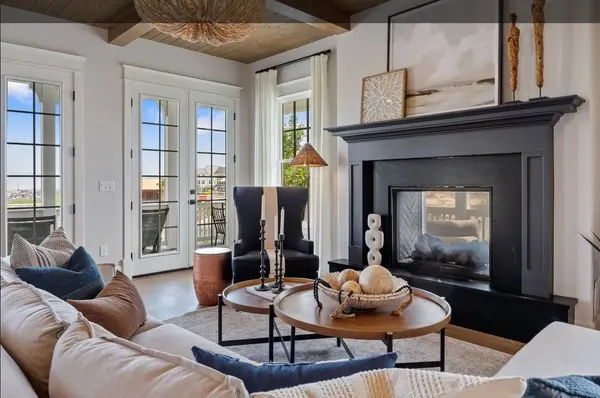
In Daybreak, buyers often compare homes that are similar in age and size. When one home feels noticeably better maintained or more thoughtfully presented, it creates a contrast that affects perceived value—even if the square footage is the same.
This is where pricing and presentation must work together. As I explain in more detail in my pricing strategy breakdown, buyers respond best when price, condition, and context tell the same story.
Why Some Smaller Homes Outsell Larger Ones
It is not uncommon for a smaller Daybreak home to sell faster—or for more—than a larger one. This usually happens when:
-
The location is more desirable
-
The home feels easier to live in
-
The lifestyle benefits are clearer
-
The price feels aligned with buyer expectations
Buyers are not ignoring size. They are prioritizing livability.
What This Means for Daybreak Sellers
Selling well in Daybreak requires looking beyond square footage and understanding how buyers actually assign value.
Homes that perform best are those that are:
-
Priced with local nuance
-
Positioned clearly within their village
-
Presented in a way that supports the lifestyle buyers want
When these elements align, buyers feel confident—and confidence is what drives strong outcomes.
The Takeaway
Square footage matters, but it is rarely the deciding factor in Daybreak. Buyers are purchasing a lifestyle, not just a floor plan.
For sellers, recognizing what truly drives value—and pricing accordingly—can make the difference between a smooth sale and one that stalls unnecessarily. In a community as nuanced as Daybreak, clarity and strategy matter more than size alone.
Categories
Recent Posts








"My job is to find and attract mastery-based agents to the office, protect the culture, and make sure everyone is happy! "